
For Homeowners, Contractors & Project Teams
Tree permits and protection plans for construction in Greater Boston.
Most towns in the Metro West corridor now regulate tree removals and construction activity near protected trees. We prepare the documentation - inventories, protection plans, arborist letters, and replacement strategies - that gets projects through review.
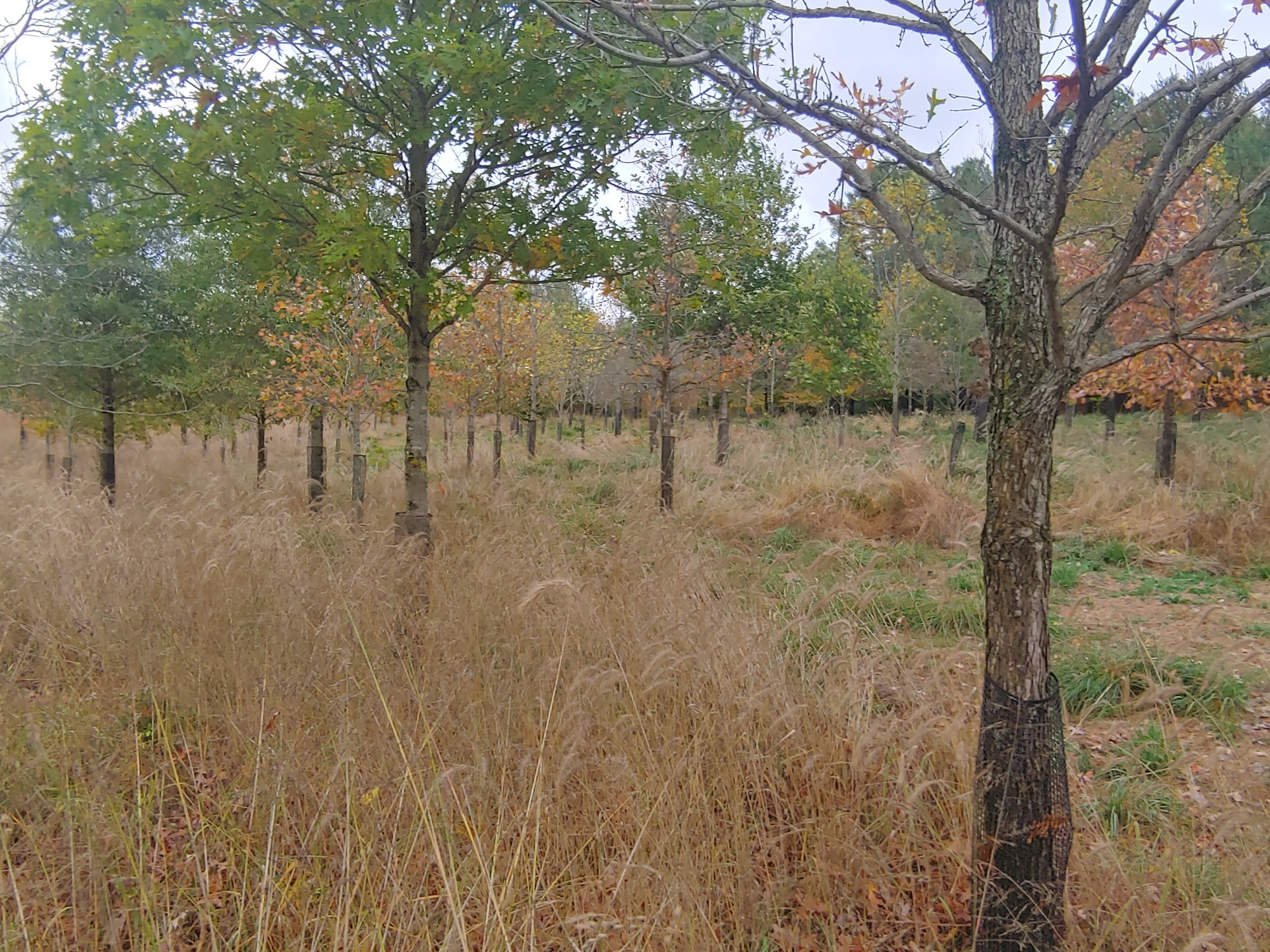
Pre-construction tree inventory
Species, DBH, condition, and numbered field data tied to the plan set. This is the baseline document most towns require before they'll review a permit application.
Tree Protection Plans
Fencing locations, root-zone protection limits, pruning notes, and monitoring requirements - written so the municipal arborist can approve them and the contractor can follow them.
Replacement and mitigation strategy
Early modeling of what removals will cost in replacement plantings or payment-in-lieu, so the budget reflects reality before the permit is filed.
Construction monitoring
Site visits during excavation, trenching, or grade changes near protected root zones. Some towns expect this; on others it's how you maintain reviewer confidence through the project.
Where projects stall
Protected-tree thresholds
DBH triggers have been dropping across the region. Trees that were unregulated five years ago now require permits, documentation, or both.
Root zone conflicts
Excavation, trenching, grading, and equipment staging inside a Tree Save Area can result in permit denial or redesign requirements.
Abutter trees
Several towns now regulate trees on adjacent lots when construction activity falls within the critical root zone. The compliance problem extends past the property line.
Each town works differently
Formula-driven towns
Brookline and Newton calculate mitigation based on DBH, tree count, and proximity to work. If those numbers aren't modeled early, the budget can shift significantly at permit review.
Construction-conduct towns
Cambridge focuses as much on how trees are protected during construction as on which ones are removed. Protection detail and site conduct matter here.
Trigger and setback towns
Arlington, Wellesley, Lexington, and Concord are plan-heavy. The regulated area - Tree Yard, setback, or buffer - needs to be defined correctly before the tree count begins.
Multi-path towns
Weston, Winchester, and Dover don't run on a single tree ordinance. The first question is usually which review path controls the file - stormwater, conservation, scenic road, wetland, or Tree Warden.
If the matter involves construction damage, an insurer file, or a formal opinion that needs to hold up on the record, start with risk & legal support.
Town-by-town ordinance guides are available for Arlington, Brookline, Cambridge, Newton, Wellesley, Lexington, Concord, Weston, Winchester, and Dover.