
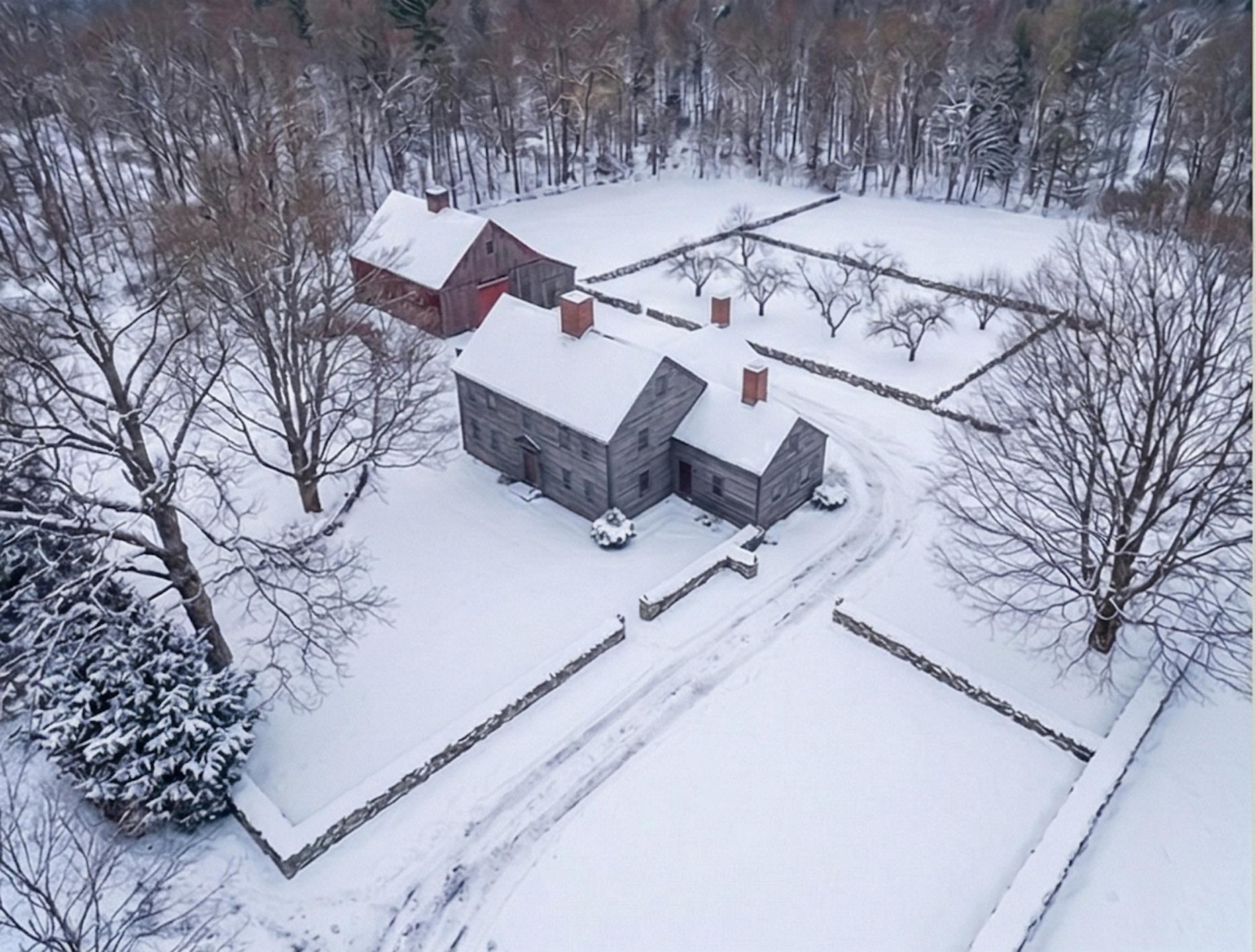
Winter
Dormant structure is easiest to read in winter. Branch architecture, prior failures, and clearance conflicts are visible without leaf.
For Property Owners & Estate Managers
A property with 20 or 30 significant trees accumulates risk quietly - structural defects progress, root zones get compromised by utility work or grade changes, and deferred pruning compounds into emergency removals. The retained monitoring program is designed to keep documentation current, identify problems early, and ensure that any tree work performed on the property is scoped independently.
Quarterly monitoring is grounded in the same assessment method used in formal risk files. Read how we assess tree risk →
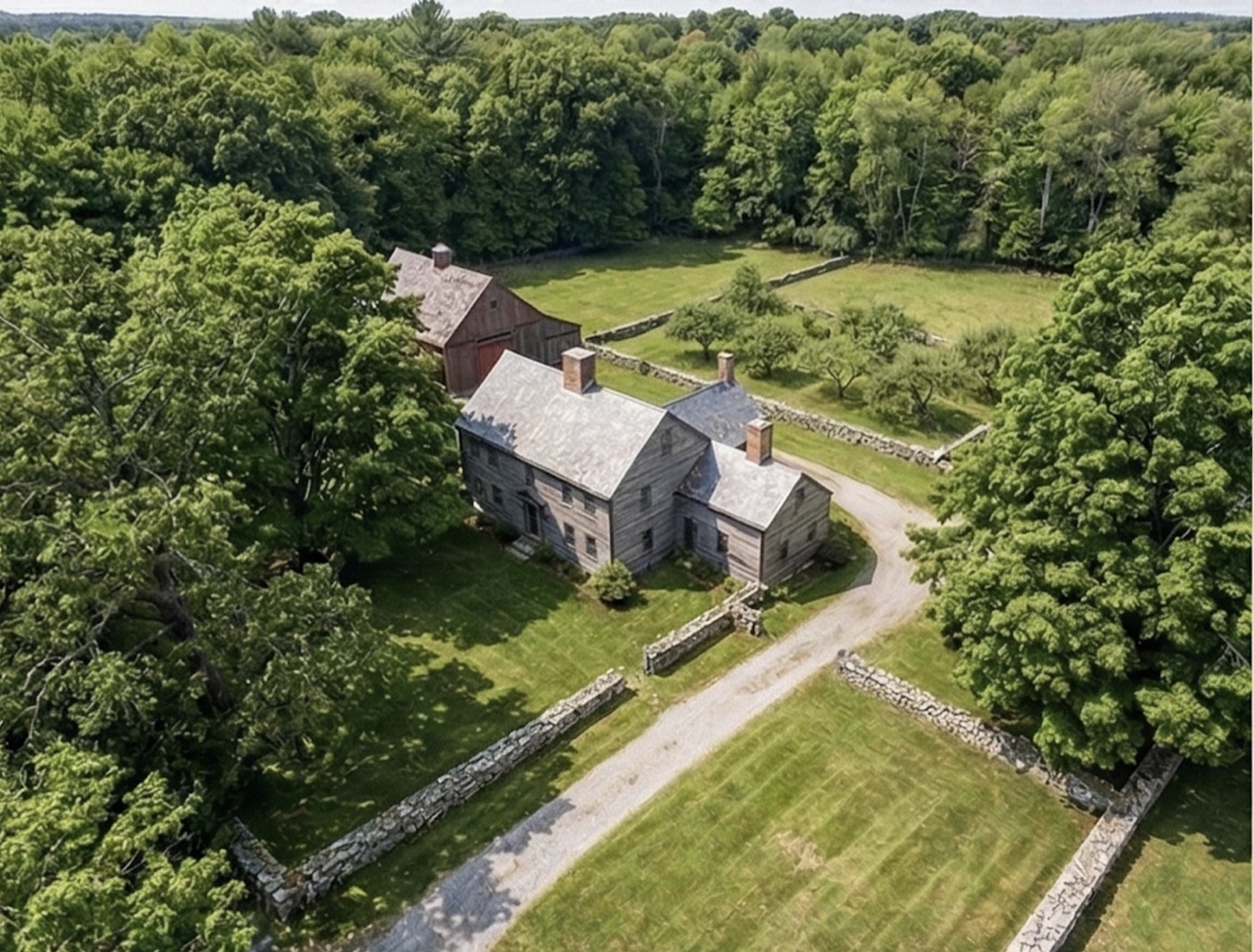
Quarterly monitoring is structured around what trees reveal in different seasons. The point is not more site walks for their own sake; it is seeing the same canopy under materially different conditions.
Dormant structure is easiest to read in winter. Branch architecture, prior failures, and clearance conflicts are visible without leaf.
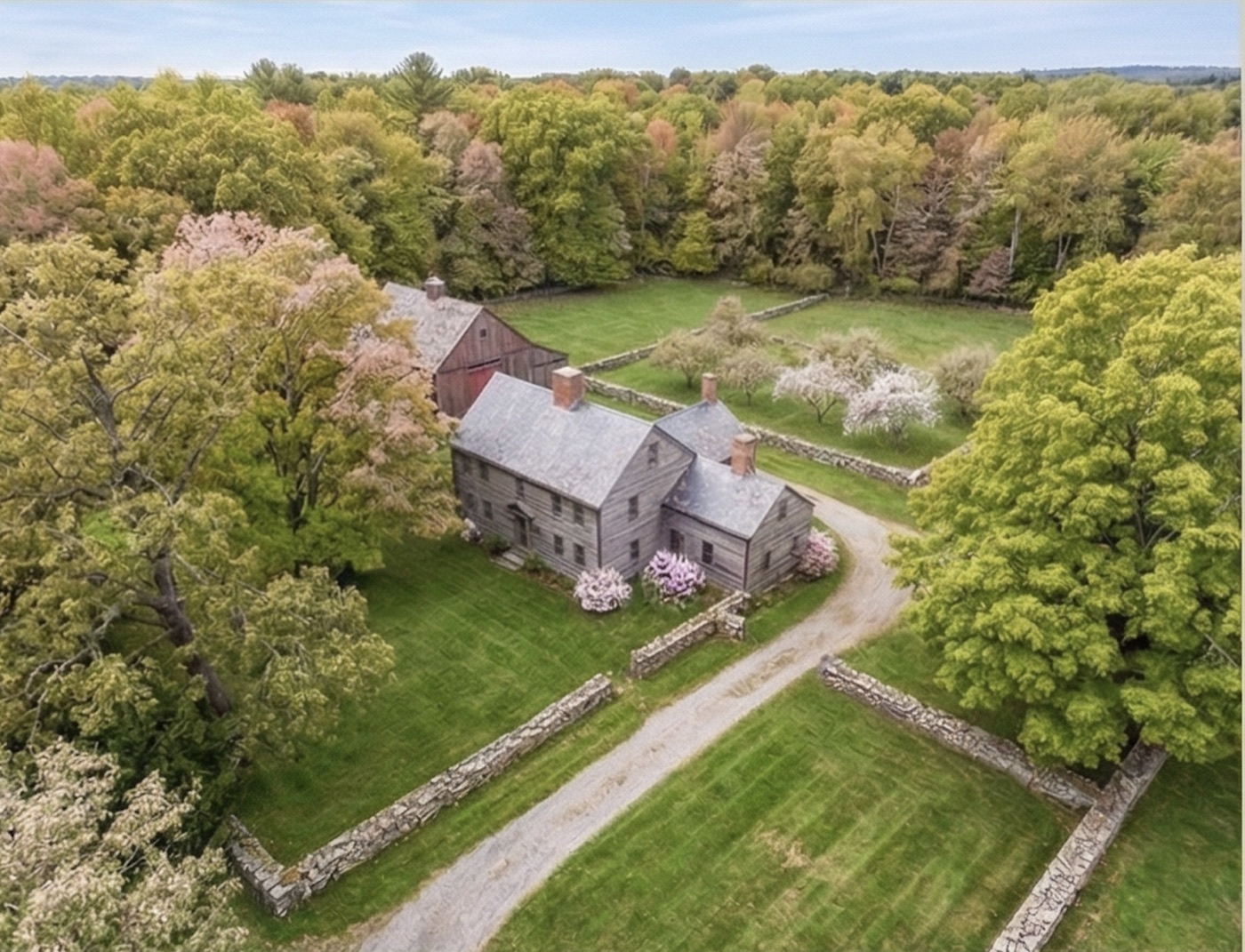
Spring emergence shows vigor, flowering response, and early signs of stress after winter. It is often the first clean read on the year.
Full-canopy loading reveals density, weight distribution, and how the canopy is actually performing under peak seasonal conditions.
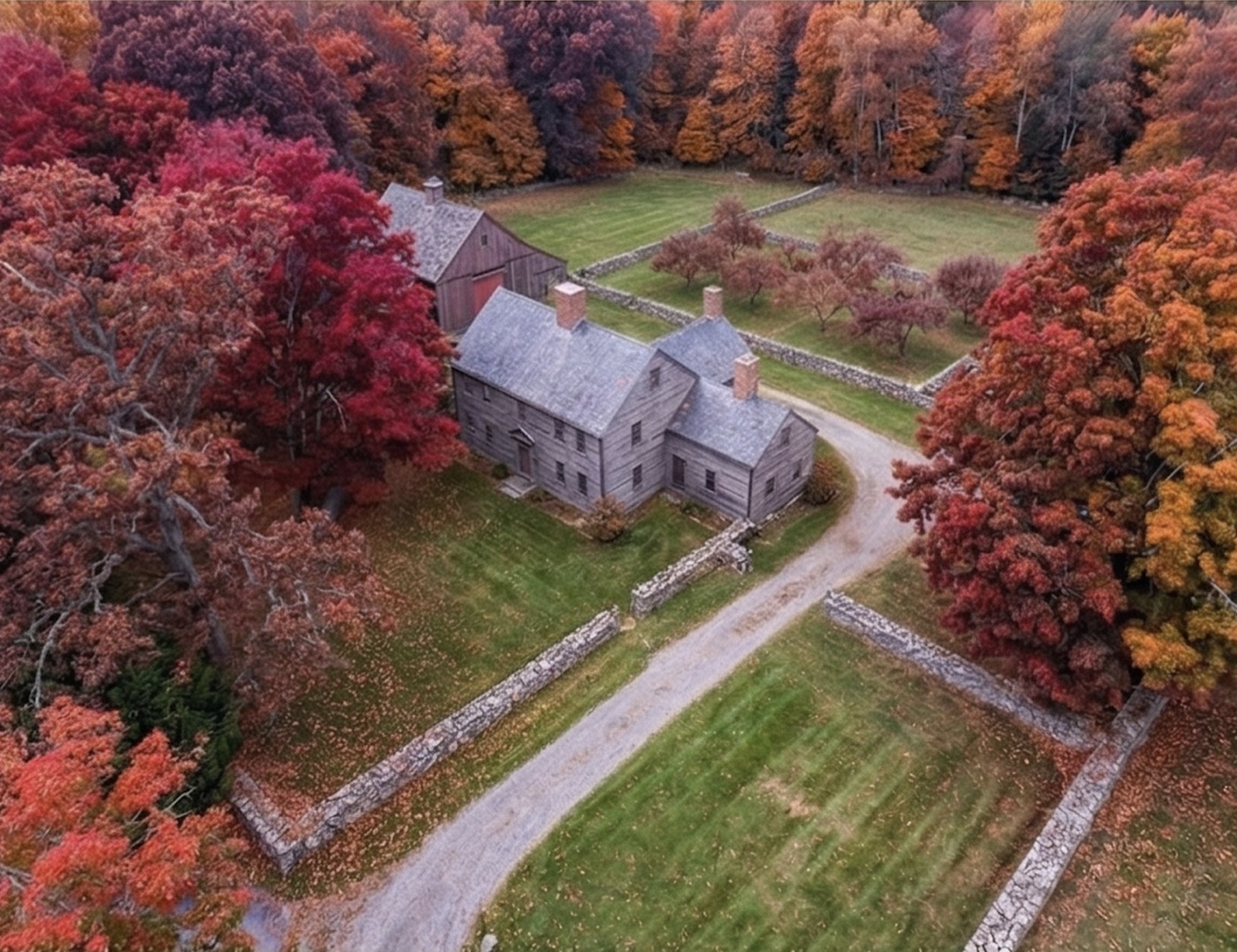
Fall helps set the pre-winter work list. Late-season canopy condition, deferred pruning needs, and year-end priorities are easier to document clearly.
What the retainer covers
Four site walks per year, scheduled across the seasonal cycle: dormant structure in winter, spring emergence, full-canopy loading in summer, and post-leaf-drop assessment in fall. Each visit covers structural integrity, disease and pest indicators, root zone condition, and any changes since the prior walk.
After each visit, a written summary documents current conditions, changes observed, and specific recommendations. Taken together, those summaries become the property's ongoing arboricultural record, and at year end they roll into a consolidated annual report suitable for the maintenance file, insurance review, or attorney reference if needed.
When maintenance work is recommended, we provide a written scope specifying exactly what needs to be done: species, location, technique, and standard of care. That scope can go directly to your preferred contractor or be used to solicit competitive bids. The specification ensures the work matches the recommendation, without additions or omissions driven by the contractor's own interests.
The retainer is structured to keep access easy when something changes, while keeping the advisory work separate from the execution of tree work.
Retained clients receive same-day telephone consultation and priority scheduling after storm events, unexpected failures, or urgent concerns. When something happens, you are not waiting in a general queue.
For properties without an existing tree record, we typically begin with a baseline inventory before the monitoring program starts. That inventory establishes the tree-by-tree record that quarterly assessments build on and gives the property a usable starting point for future work, reporting, and scope decisions.
Fees are based on property size, number of significant trees, and canopy complexity. Retainers are billed quarterly in advance. A brief initial site visit at no charge confirms program fit and establishes the baseline scope.
The retainer covers monitoring, documentation, and advisory access. The following services are scoped and quoted as separate engagements, with approval before work begins.
Project work is never invoiced without a written scope and prior approval. Retainer clients receive priority scheduling and first access to the calendar for any additional engagements.
Most tree assessments are written by companies that also perform the recommended work. That creates an inherent tension - the assessment and the sales proposal are coming from the same source. This practice operates differently. We carry no equipment, employ no crews, and have no financial interest in whether a tree is removed, cabled, pruned, or left alone. The recommendation reflects the arboricultural assessment and nothing else. For property owners and estate managers responsible for significant biological assets, that separation is the foundation of a trustworthy advisory relationship.
If the matter has moved beyond routine oversight into insurance, valuation, or dispute territory, start with risk & legal support.